Gallery
Coffee plant (කෝපි ගස)
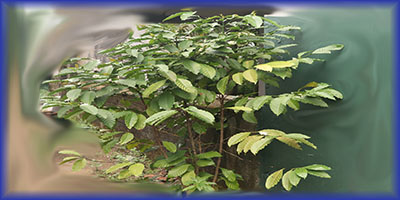
Generally coffee plants grow 9 and 12 meters if permissions are given to grow freely. They have branches with leaves of elliptic-ovate oblong and dark green in color. Flowers are white and bloom as branches. Flowers are very fragrant and can be seen in the morning. Young nuts are dark green. When they are ripe, they can be seen as red or purple in color. Villagers in Sri Lanka who own small plot with coffee plants, pluck the nuts manually. Then they boil and crush them. Next step is to dry them in the sunlight. When they extracted the seeds, they were ready to sale. Young leaves of the coffee plants are used to cure wounds by villagers in remote areas in Sri Lanka.
Mangus (Mangosteen)
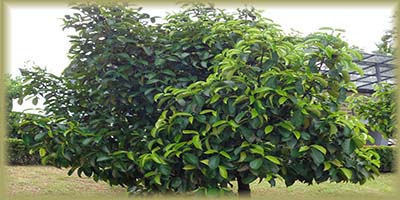
Mangus trees (Mangosteen in English) are seen in home gardens in several districts such as Kalutara, Colombo, Kegalle, Kandy in Sri Lanka. The plant grows up to 20 meters in height. The bark is yellowish and latex. Hermaphrodite flowers 1-2 in the axils of upper leaves, up to 4 cm diameter. Fruit is globose. When they are ripe, they become glossy purplish. Kern around the nuts is eaten and delicious. Kern is white in color. People believe that fruits signify heat for the human body. However, these delicious fruits are available to purchase in the streets and shops in Sri Lanka during from May to September.
Kathurumurunga (Hummingbird tree)
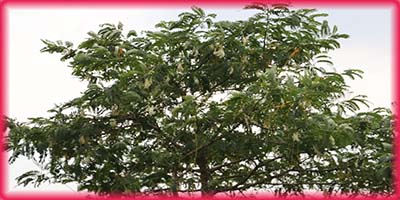
Kathurumuranga is belong to the been family. This tree can be found generally in Sri Lanka all the districts other than hill country. It has short lifetime although it grows quickly. Stem is not firm and therefore it can be broken easily. The tree grows 8 to 10 meters in height. some farmers grow kathumurunga as a commercial crop. They prune the branches to keep the tree in short in tall to make easily plucking the leaves and flowers. Leaves of the plant are used to make Mallum or Sambol. That is famous vegetable among the Sri Lanka people. Similarly, a delicious food is made by frying flowers of Kathurumurunga. Villagers believe that adding some of kathurumurunga leaves will reduce the warmth of foods such as breadfruit. Consuming the curry made by using kathurumurunga leaves will reduce the burning sensation of the human body. Bunch of leaves or flowers can be purchased at a low price at the markets or from street venders in Sri Lanka.
Maiyokka (Manioc tree)
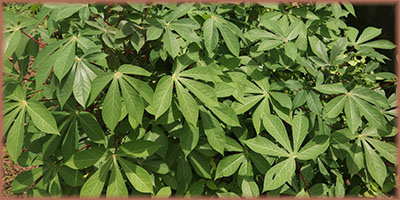
This plant is known as Maiyokka in Sinhala and Manioc in English. However, it is commonly known as cassava. In Sri Lanka, manioc is commonly seen in districts in low country. It can be grown up country as well. The yams of manioc is used as vegetable while young leaves is used to make “Mallum” most probably in remote areas. Some people like to eat yams alone with sambol or coconut kern by boiling them. There are two kinds of manioc in color, yellow and white. Husk of the tuber is kept in dry condition by some villagers to make food by frying. Recently, crips prepared by manioc yams is available in shops in Sri Lanka.
Pitawakka (පිටවක්කා) (Niruri)
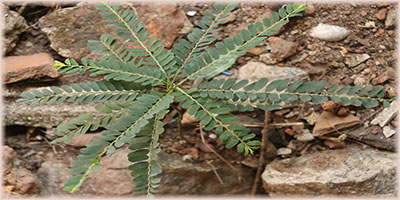
This plant is a small annual plant found at home gardens in wet zone or dry zone in Sri Lanka. Branches of leaves are 4 -12 cm in length and attached to main stem of the plant. However, if some want it he must search for it cautiously among grass. Some peoples who are living in villages in Sri Lanka use leaves of Pitawakka by adding coconut kern and turmeric to make medicine to extract thorn anywhere in his or her body. Accordingly, this tiny plant has herbal value although more people aren’t aware.
Mai mara (MayFlower) tree
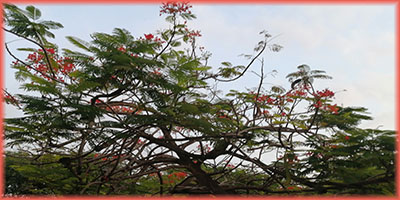
This is a common tree can be seen in more parts of Sri Lanka. When the flower blossoms this will be a very picturesque plant. Planting along the road, this tree gives beauty as well as shelter from sunlight. The flowers are highly decorative. The plant blooms in month of May in Sri Lanka. The tree grows to a medium height. Leaves and branches cover the tree heavily. Accordingly, the trees are widely used to secure beauty and landscape in the garden.
Mushroom (Bimmal or Hathu)
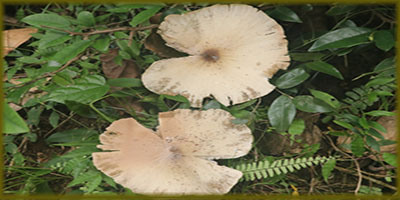
Some farmers cultivate mushrooms for commercial purposes, and they are available for sale in supermarkets throughout Sri Lanka. Mushroom cultivation is a profitable venture for small-scale farmers. However, Sri Lankan villagers usually collect mushrooms from their home gardens to prepare curries for their daily meals. Mushroom curry is a delicious dish. There are several varieties of mushrooms available for cooking. Some mushrooms grow on paddy-field threshing floors where straw has decayed. In addition, villagers in Sri Lanka collect several varieties of wild mushrooms, such as Weli Bimmal, Hath Polaya Bimmal, Lena Bimmal, Uru Bimmal, and Idalolu Bimmal, from their home gardens for cooking. These mushrooms must be collected early in the morning before they begin to deteriorate.
Black pepper (ගම්මිරිස් - Gammiris)
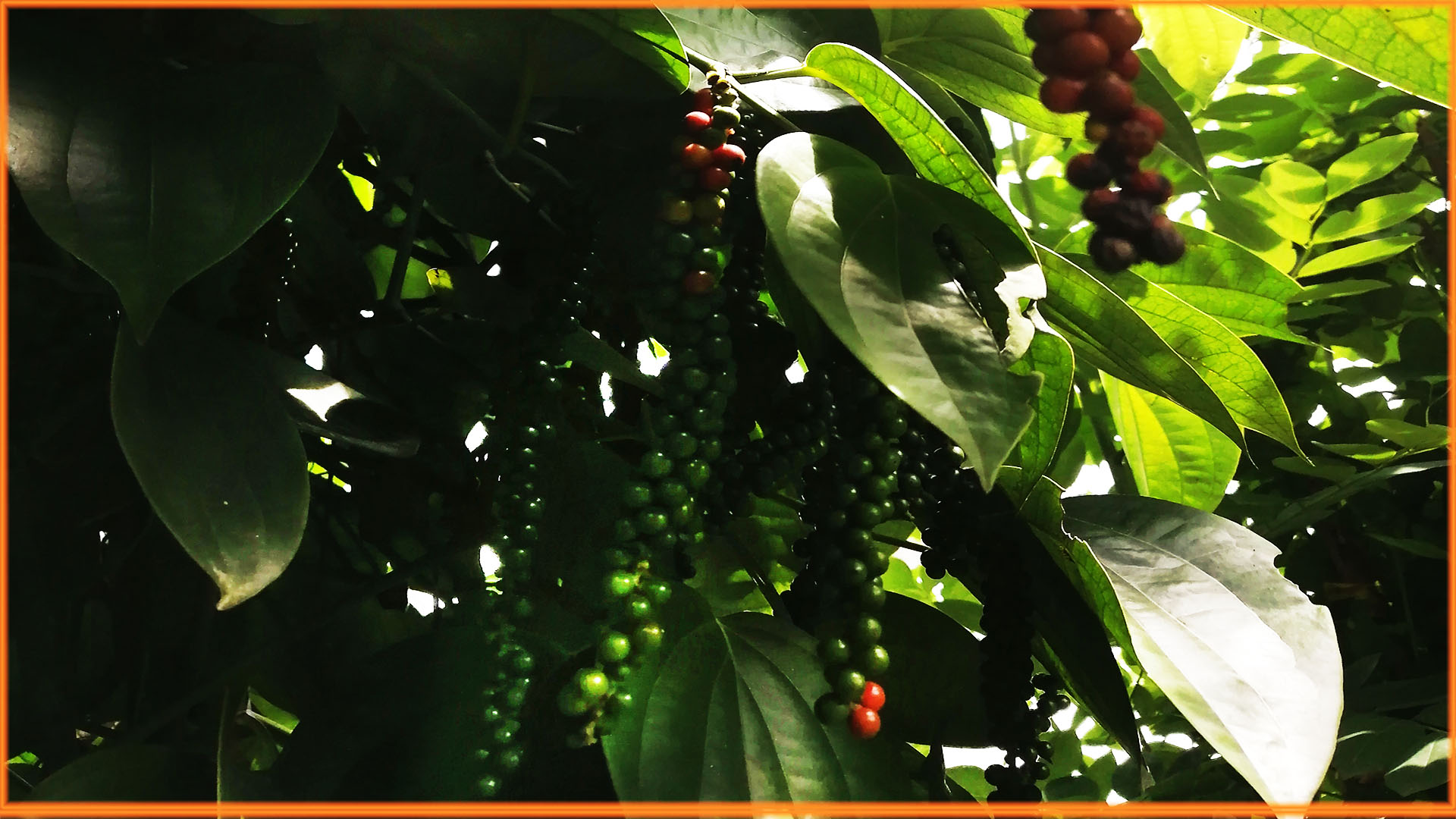
Black pepper is a common cultivation in the Galle, Matara, Kegalle, Kurunegala, and Rathnapura districts of the Southern, Central, and Sabaragamuwa provinces of Sri Lanka. This plant is cultivated mainly for its peppercorns. Peppercorns are harvested when they become mature and ripe. After separating the seeds from the peppercorns, Sri Lankan villagers spread them on mats under sunlight to dry. Dried pepper can be stored for a longer period and is then ready for sale. Pepper has significant Ayurvedic value and is used in cooking all over the world. In Sri Lanka, it is used in preparing curry dishes and Ayurvedic medicines. In addition, kithul tappers use pepper to treat the flower buds of the kithul palm. Pepper is also used in preparing soups, sambol, eggs, and many other dishes. Furthermore, Sri Lankan villagers have a tradition of adding a small amount of pepper powder when eating ripe jackfruit, known as “Waraka.” Since the Ayurvedic value of all parts of the pepper plant is well known among Sri Lankan villagers, they also use pepper leaves in traditional oil treatments for the body. It is noteworthy to mention some vanishing beliefs related to pepper harvesting. Some pepper cultivators in Sri Lankan villages believe that a higher yield can be expected in the following season if peppercorn vines are placed on walking paths where they can be touched by human feet.
මියන දළු (Fiddlehead Fern)
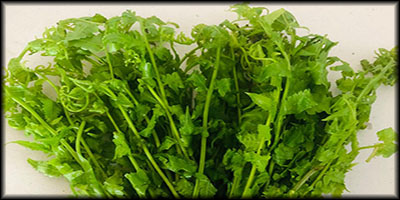
Miyana Kola is a nutritious leafy vegetable commonly found in the hill country of Sri Lanka. When traveling through the Sabaragamuwa Province or visiting local street fairs in some village areas, you may come across vendors selling fresh Miyana Dalu. These tender shoots are traditionally gathered by villagers from cliffs and forested areas, where they grow naturally without human intervention. Miyana Dalu consists of the tightly curled, young fronds of a fern before they unfurl. This traditional green is highly valued for its nutritional benefits and unique flavour. In Sri Lankan cuisine, the tender shoots are commonly cooked as a curry and served with rice. They are especially delicious when prepared with jackfruit seeds, which enhance both the flavour and texture of the dish.