Welcome to WagaBima
Introduction
Wagabima website is initially built to share the experiences acquired from the small coconut land situated in the remote area in Sri Lanka. The land originally comprised of old coconut trees and some other trees such as Teak, Mahogany, and breadfruit etc. Latter, new coconut plants have been planted under the existing old trees. At the second stage, Banana and Pepper were cultivated as intercrops by dividing the land into two. At present, three major cultivations are ongoing successfully in the land. Accordingly, more pages of website are to discuss the activities undertaken, problems encountered and solutions applied at each stage of purchasing of a land, preparation, choosing and purchasing of plants, cultivating, maintaining and harvesting.
Further, the website displays a selected plant with its image and brief description including value and beliefs prevailing among rural communities in Sri Lanka.It is sure that this will be useful for researchers, students, and farmers, since the availability of some information is very rare.
The cultural and social activities such as legends, games, performances and events which were common to the ancient rural agricultural communities in several decades ago are likely to disappear from the societies at present. However, a few of them are only available with elders living in villages in verbally. some contents of those activities may differ from province to province or district to district or village to village . However, several pages of this site are assigned to such information for the benefits of interested people.
Kappitiya (කැප්පෙටියා)
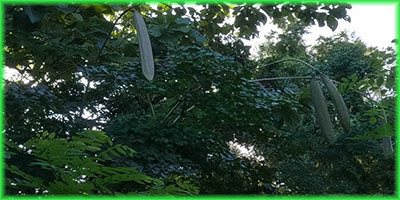
Kappitiya (කැප්පෙටියා) is a familiar plant found in many parts of Sri Lanka. It is a perennial shrub that generally grows to about 4–5 feet in height and can often be seen in small jungles, home gardens, and uncultivated areas.
In the past, Sri Lankan villagers made use of Kappitiya in several traditional agricultural practices and household activities. One traditional practice was to use branches of the Kappitiya plant together with their leaves to help ripen bananas more quickly. This practice was particularly useful when bananas were needed for important occasions such as the Sinhala and Tamil New Year celebrations.
Farmers also used Kappitiya leaves as a form of green manure when preparing land for cultivation. In particular, the leaves were traditionally used in betel (Bulath) cultivation. Kappitiya is also associated with an interesting traditional village belief. Some villagers believed that using Kappitiya branches to remove spider webs from their homes would prevent spiders from building webs in the same places again.